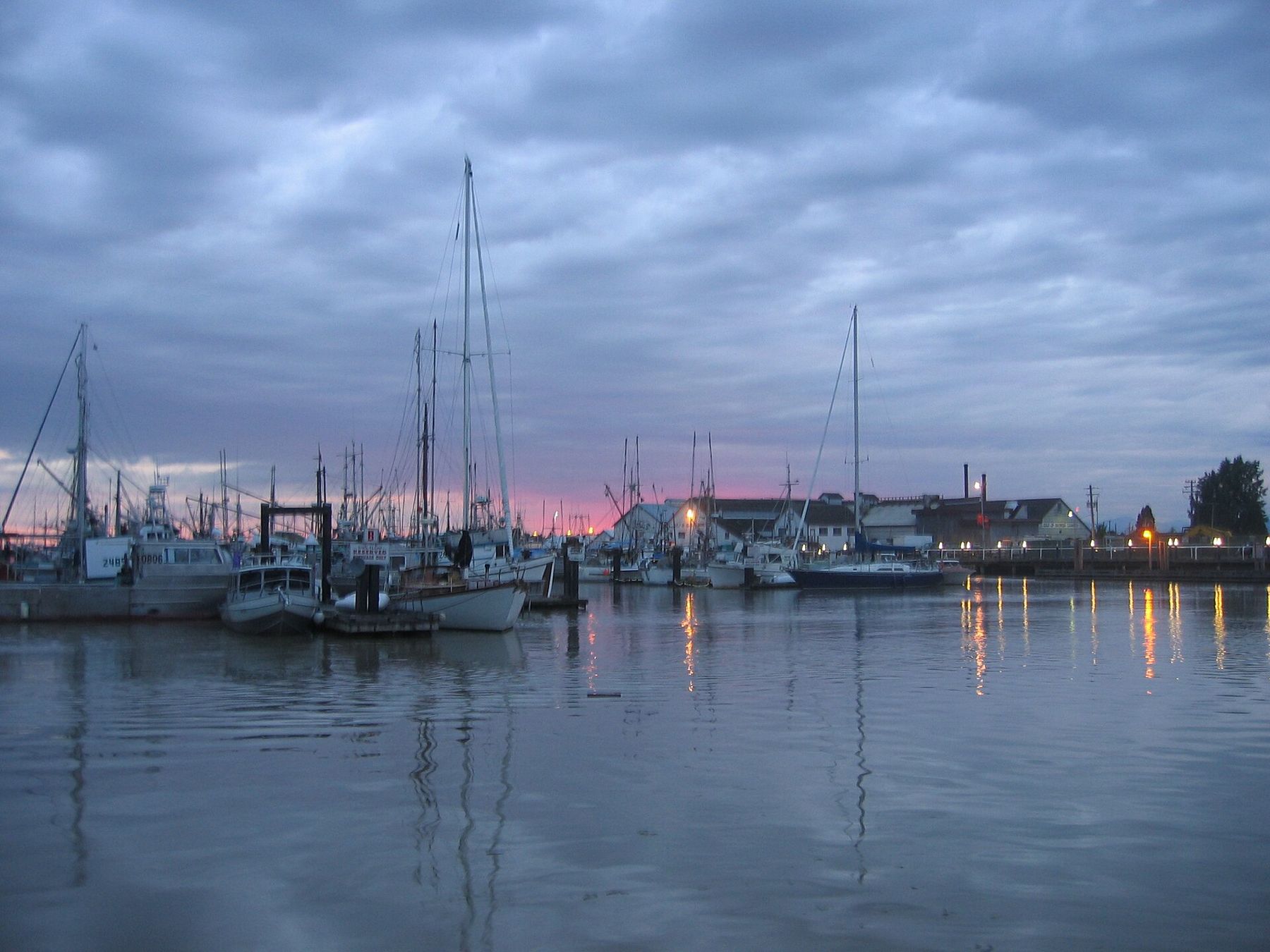
Steveston sits at the south-west corner of Richmond, where the south arm of the Fraser River opens into the Strait of Georgia. It is a working harbour first and a day out second, which is exactly why it is worth the trip. Fishing boats tie up beside the boardwalk, gulls work the pilings, and the old cannery buildings still stand over the water. You can spend a whole day here in any weather, as long as you plan the day around the sky.
A town built on salmon
The lower Fraser has been fished by Coast Salish peoples, including the Musqueam, for thousands of years, and the river's salmon runs are the reason anyone settled at its mouth. From the late nineteenth century, canneries lined this shore. Steveston grew into one of the busiest canning towns on the coast, with workers from many backgrounds: Indigenous families, Chinese and Japanese labourers, and European settlers, often housed apart and paid differently.
Japanese Canadian fishers made up a large part of the fleet before the Second World War. In 1942 they were forcibly removed from the coast, and their boats and property were taken. Much of that story is told in Steveston's museums and memorials, and it is worth reading slowly rather than skimming.
The cannery museum on a wet day
The Gulf of Georgia Cannery is a National Historic Site, and it is the obvious place to start when the rain is steady. The building is large, dim and full of machinery, with the old canning line laid out so you can follow a fish from the dock to the tin. Exhibits cover the herring and salmon fisheries, the work on the floor, and the way the industry changed over the twentieth century.
Give it at least an hour and a half. When you come out, the village streets nearby are short and easy to cover between showers, with plenty of places to get warm.
Buying fish from the boats
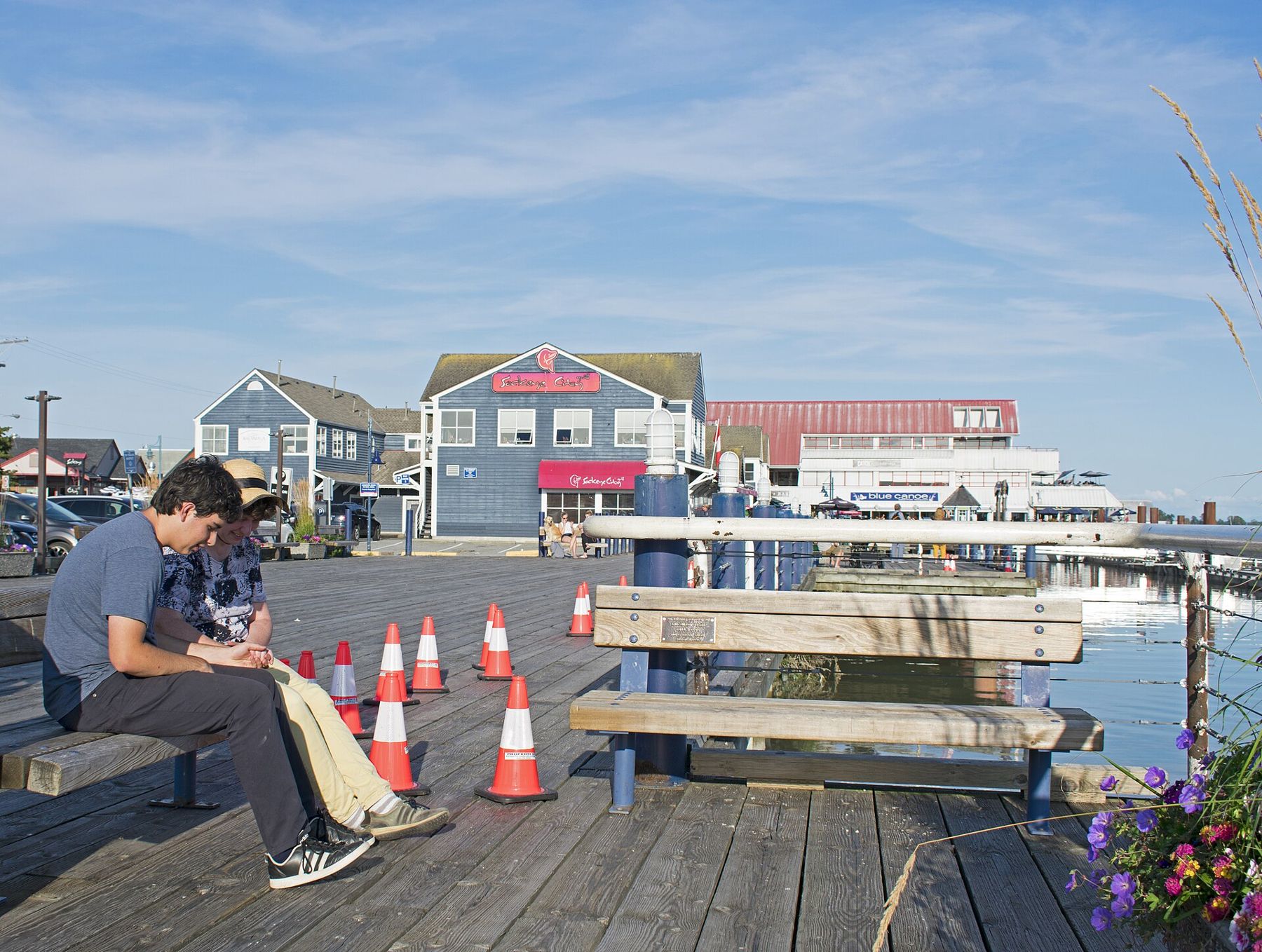
The public float near the foot of the village is where commercial fishers sell their catch directly. What is on offer depends entirely on which fisheries are open: salmon in season, prawns and spot prawns in spring, sometimes halibut, rockfish or crab. Some days there are many boats selling, other days almost none. Hand-written boards on each boat show what they have.
- Arrive earlier in the day for the best choice, especially on weekends.
- Bring cash as a backup, though many sellers take cards.
- Pack a cooler bag and ice packs if you are heading back on transit.
- Ask how the fish was caught and when; sellers are used to the question.
Prices and seasons are set by the catch and by fisheries rules.
The boardwalk and the shipyards
On a dry day, follow the waterfront east from the cannery along the boardwalk and dike path. The walk is flat, easy and full of boats: gillnetters, seiners, pleasure craft and the odd tug. After a short stretch you reach Britannia Shipyards National Historic Site, a cluster of wooden buildings on pilings where boats were built and repaired. The site also shows how the families who worked here lived, in bunkhouses and small homes along the water.
The path continues beyond the shipyards along the river, and it makes a good loop if you want a longer walk. Bring a layer even in summer, since wind off the river can be cold.
 Same afternoon?Kits, Spanish Banks and English Bay
Garry Point Park at sunset
Head west from the village instead and you reach Garry Point Park, an open grassy point at the river mouth. It is a favourite spot for flying kites, because the wind rarely stops. Driftwood lines the shore, and the view runs across the river to the delta and out over the strait. On a clear evening the sun drops straight into the water.
A memorial to fishers lost at sea stands near the point, and a small Japanese garden sits nearby. Both are quiet places, and worth a few minutes.
The approach to Steveston
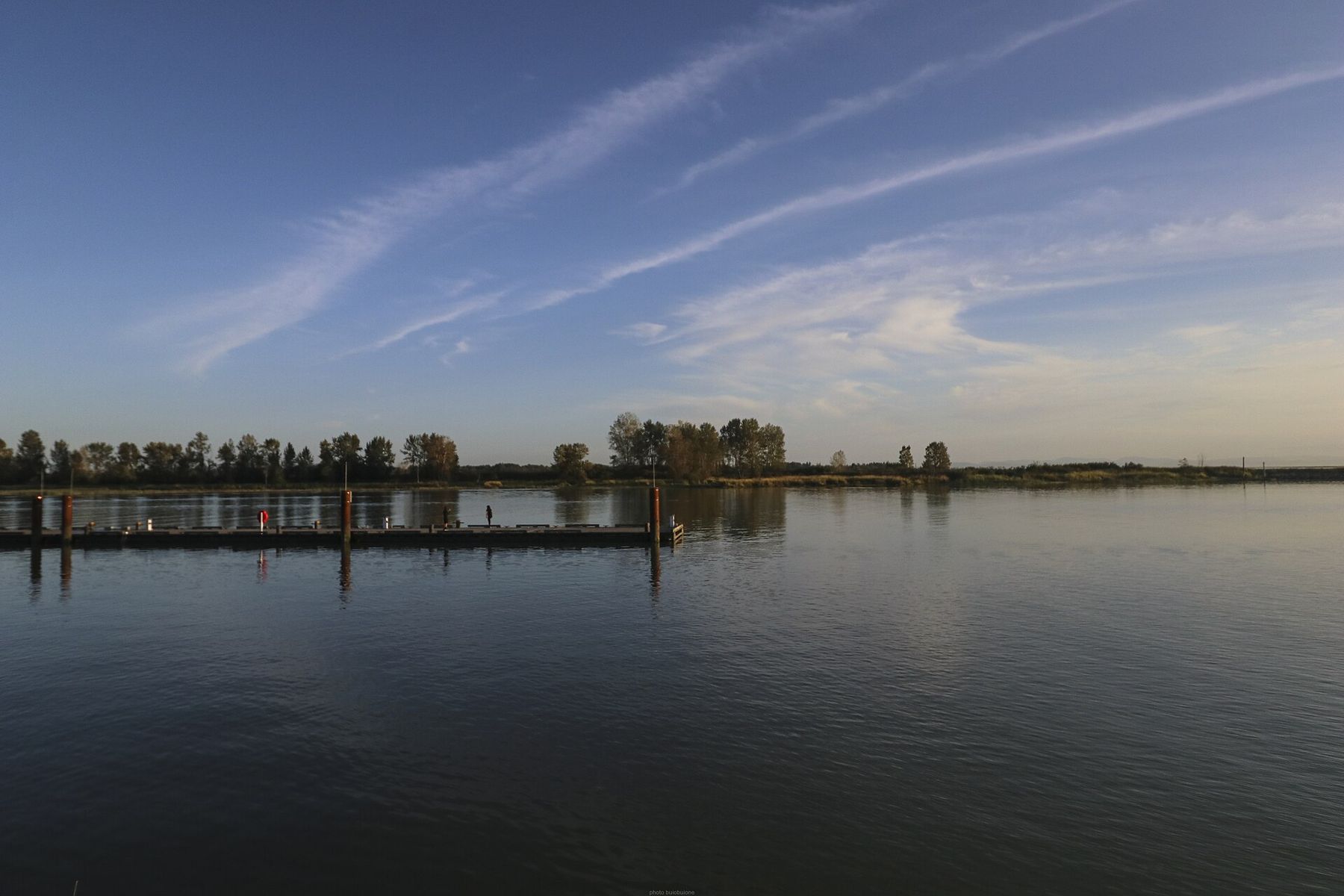
Take the Canada Line south to Richmond-Brighouse station, then a bus to Steveston; several routes make the run, and the ride from the station takes roughly twenty to thirty minutes. If you are new to the network, the SkyTrain and buses guide covers tapping on and zones in general terms. Driving is possible, but parking in the village fills on sunny weekends.
The village is compact. Everything in this story sits within an easy walk of the bus loop, and you can cover the cannery, the float, the boardwalk and the point in one unhurried day.
Rain or shine
Steveston works in both. On a wet day the cannery carries you through the morning and the village keeps you warm in the afternoon. On a dry day the boardwalk and Garry Point are the whole point of coming. Either way, pack a waterproof layer, since the river weather turns fast; the notes on dressing for Vancouver's rain apply here twice over.
If you are pairing Steveston with other Richmond stops, the city's food scene is a short bus ride away, and the dumplings and night market make a natural evening after a day by the water. For another harbour with boats and fresh seafood closer to downtown, try Granville Island.
Top picture by Arnold C ( Buchanan-Hermit )