Burnaby beyond the towers
From the Expo Line, Burnaby can look like a city of glass towers clustered around its SkyTrain stations, especially at Metrotown, the busiest hub and the area most visitors know. But the city also holds large green spaces: a forested mountain topped by a university, a lake ringed by trails and an arts centre, and a big urban forest a few steps from the train.
Burnaby sits on the lands of Coast Salish peoples, including the Musqueam, Squamish and Tsleil-Waututh, whose territories meet around Burrard Inlet and the Fraser River. Settlers arrived in the late 1800s, and the area grew as a patchwork of farms and orchards along the interurban railway before the postwar suburbs and, later, the towers filled it in.
This is a good guide for days when the weather cannot make up its mind, because the stops range from fully covered to fully exposed, and the SkyTrain ties them together.
Metrotown and Central Park
Metrotown station on the Expo Line is the obvious starting point. Beside it stands one of the largest shopping centres in the province, a fully covered option when the rain is heavy. A short walk away, a large public library branch is another warm, dry place to sit.
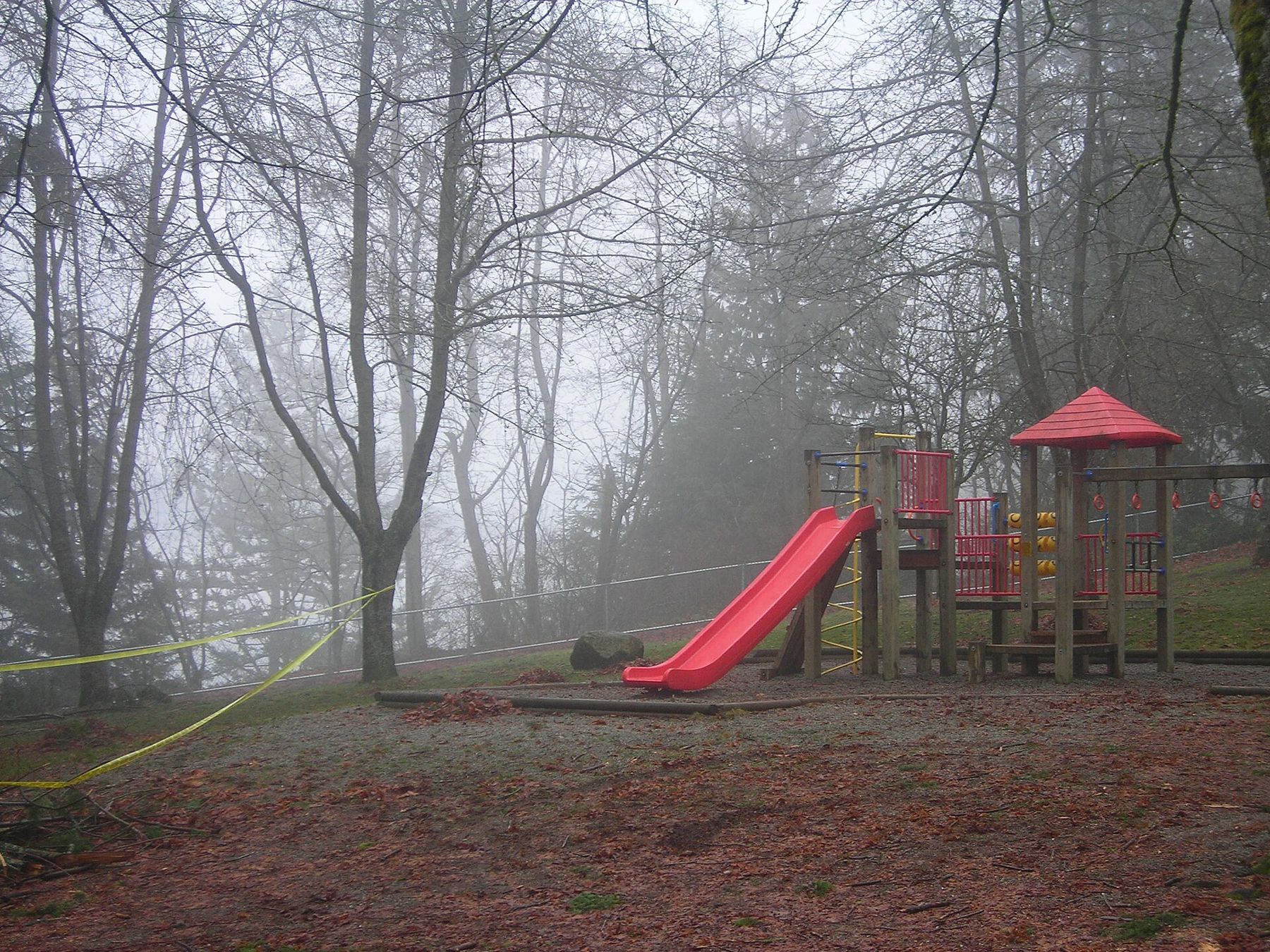
For the outdoors, walk or ride one stop west to Patterson station and step straight into Central Park, a large urban forest of tall second-growth firs and cedars with wide gravel paths, a small pond and sports fields. Even in steady rain the trees keep much of the weather off, and it is quieter than you would expect so close to the train line. The park is named after New York's Central Park and has been public land since the late 1800s.
Burnaby Mountain
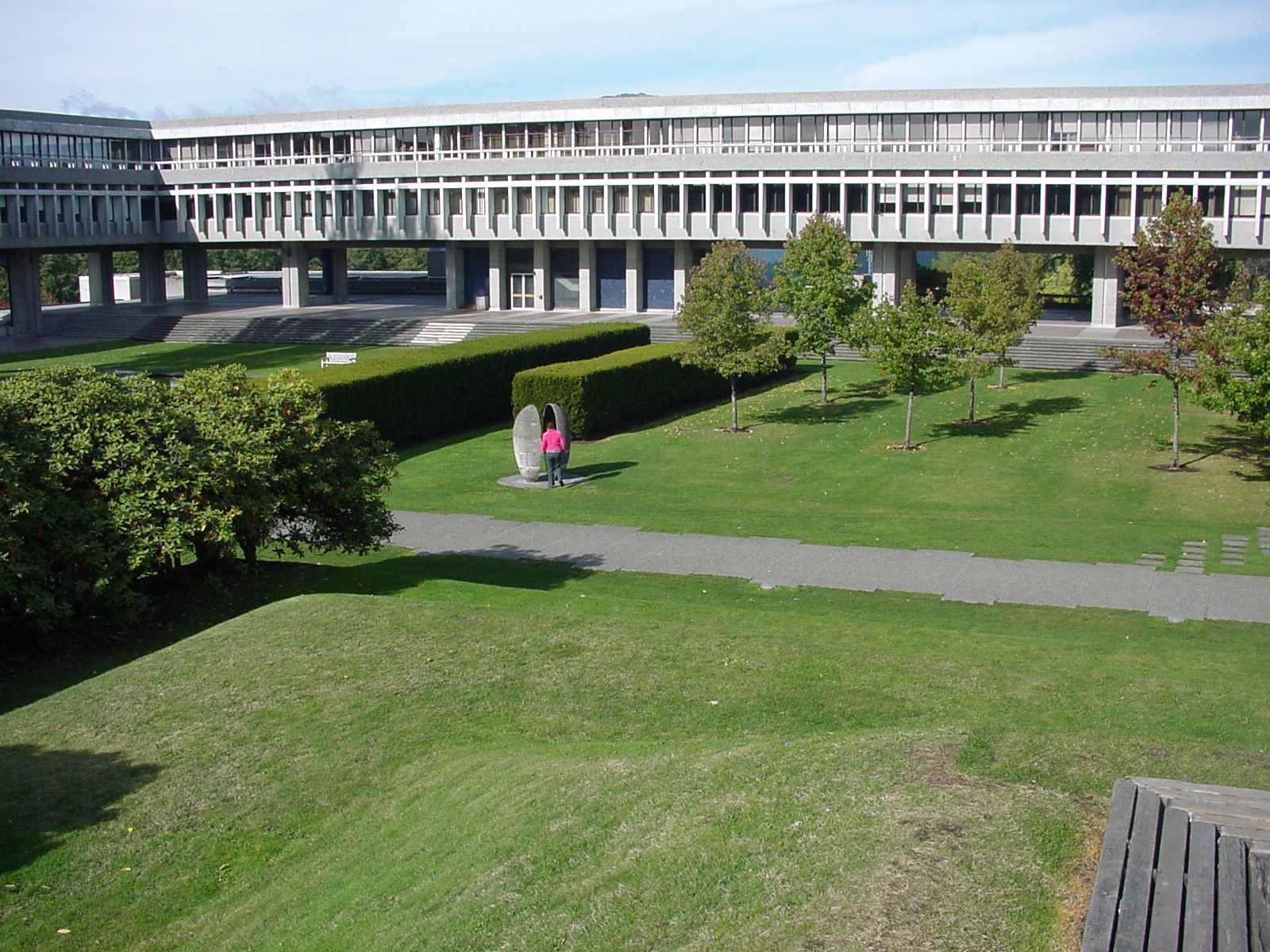
To the north, Burnaby Mountain rises above Burrard Inlet. Simon Fraser University occupies the top, in a concrete campus designed by Arthur Erickson and Geoffrey Massey that opened in 1965. Buses climb to the campus from Production Way-University station on the Millennium Line and from the Hastings Street corridor.
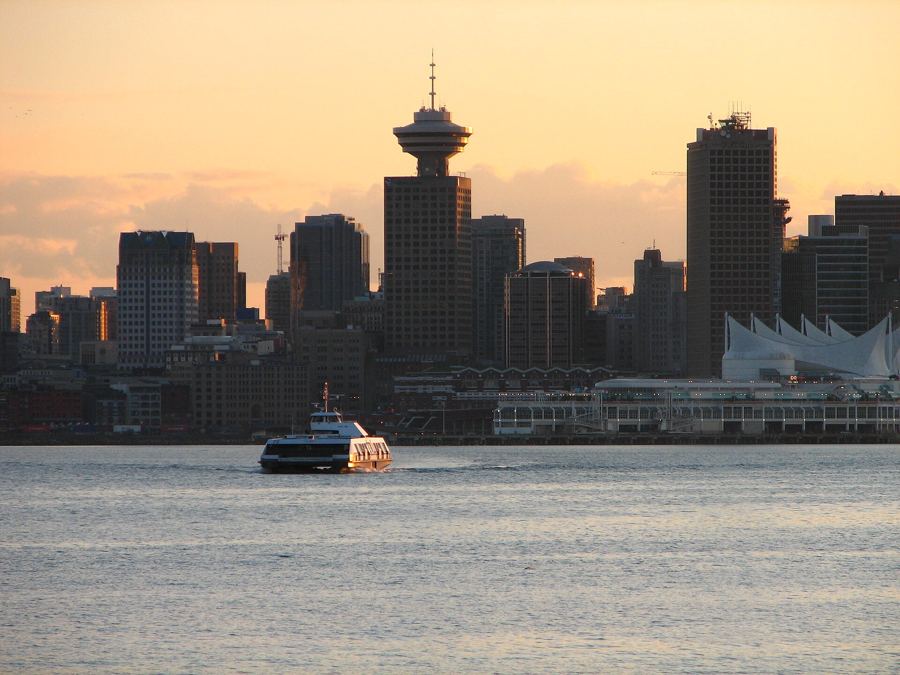
The western end of the mountain is Burnaby Mountain Park, with lawns, a rose garden and one of the best views in the region: west over Burrard Inlet to downtown Vancouver, north across the water to the North Shore mountains and the entrance to Indian Arm. A group of carved wooden figures on the hilltop, made by the Ainu artists Nuburo Toko and his son Shusei, celebrates the friendship between Burnaby and its sister city of Kushiro in Japan.
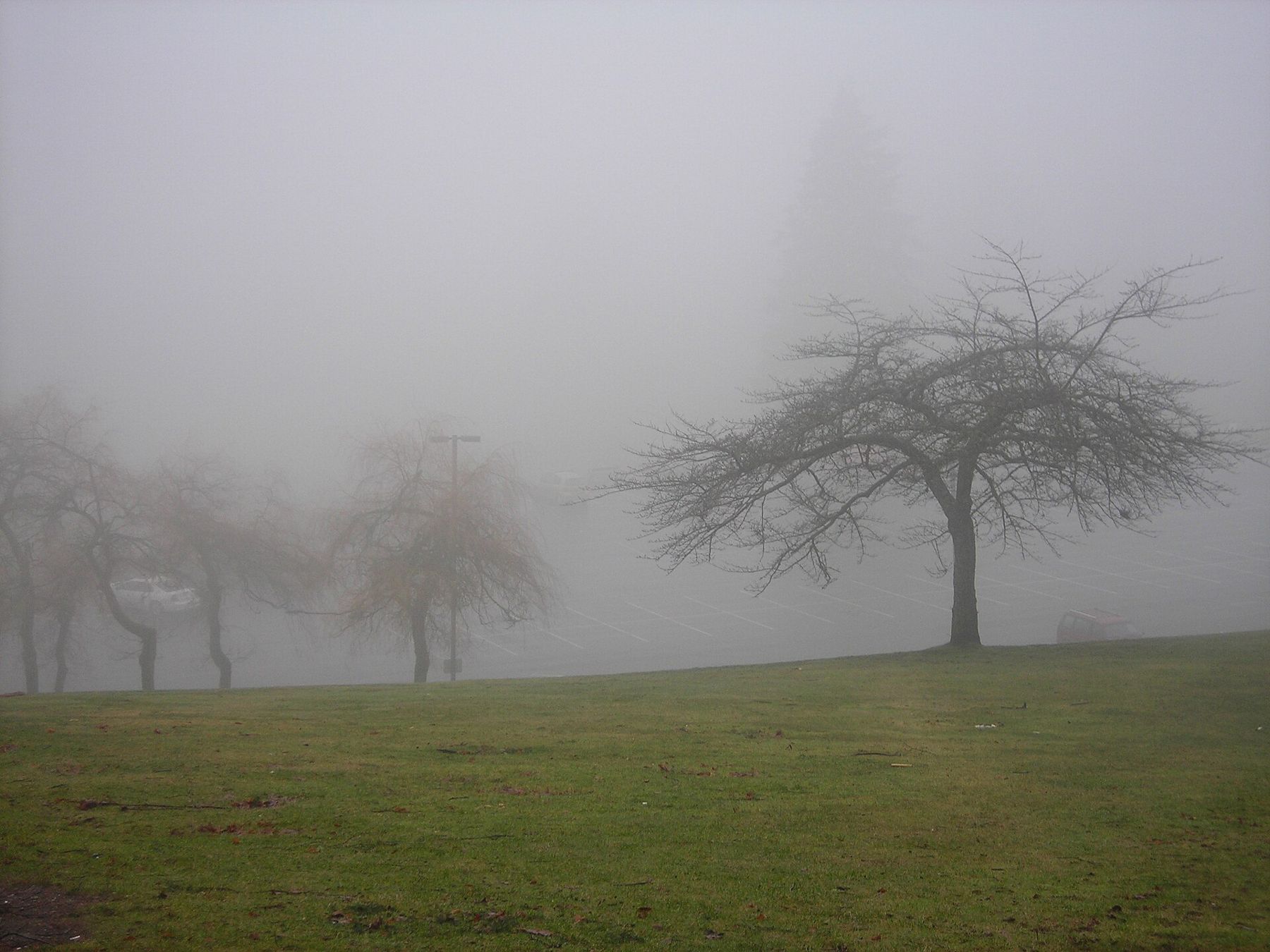
On a foggy morning the mountain disappears into cloud, and the view is replaced by silence and dripping trees. On a foggy morning the mountain disappears into cloud, and the view is replaced by silence and dripping trees. It can be atmospheric, but if the view is what you came for, go on a clear day, and check the forecast for the mountain itself, which is often cloudier and cooler than the city below.
 Same afternoon?The SeaBus and Lonsdale Quay
The conservation area surrounding the campus has a network of forest trails used by walkers, runners and mountain bikers. They are muddy after rain; stay on marked routes and watch for bikes on shared trails.
Deer Lake
Between Metrotown and the mountain lies Deer Lake Park, a calm lake surrounded by meadows, wetlands and woods. A trail with boardwalk sections circles much of the lake, and in the warm months you can rent a small boat or kayak from the beach area. Herons, ducks, turtles and other wildlife use the lake and marsh.
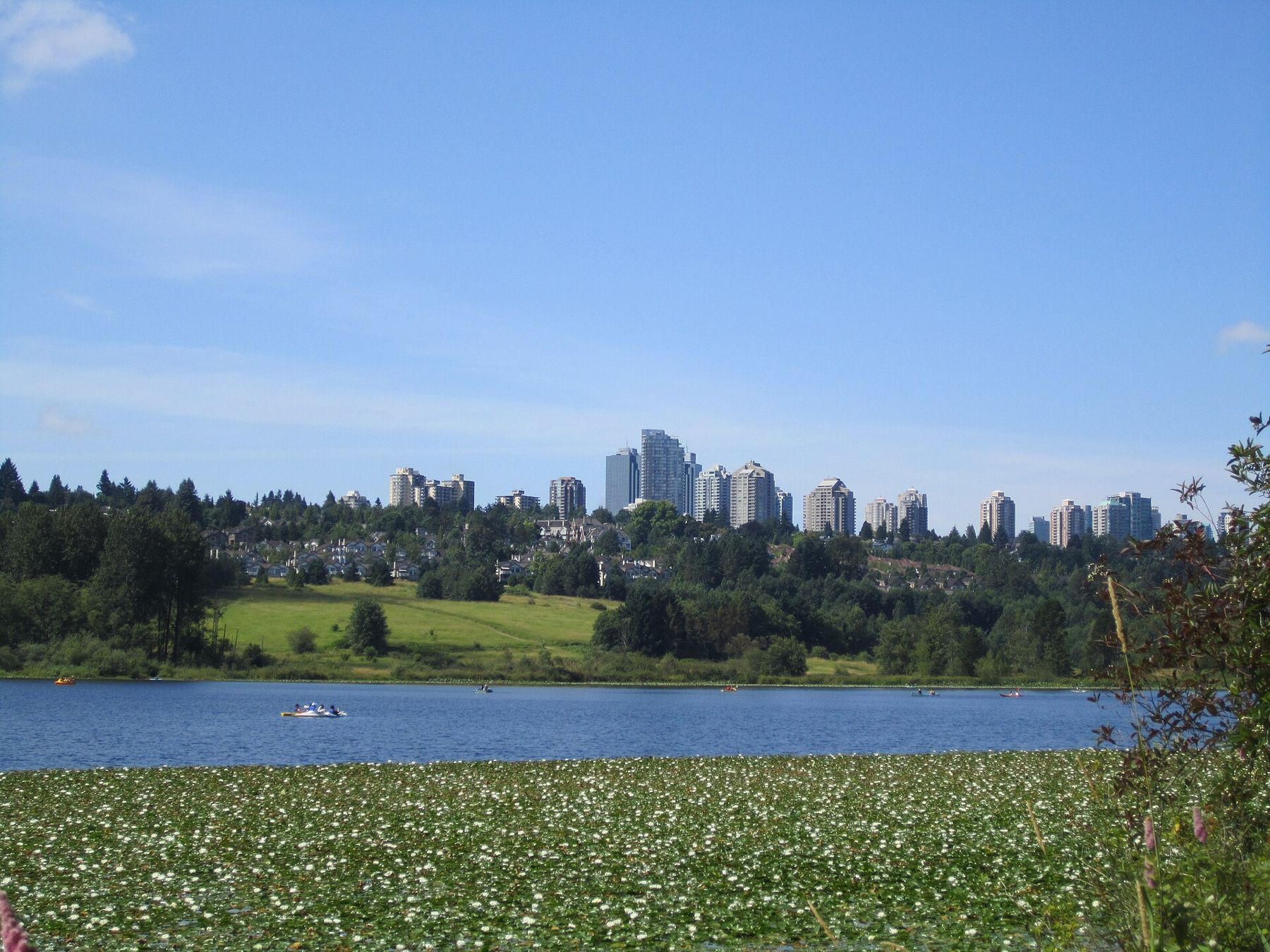
On the hill above the water sits a cluster of cultural buildings. The Shadbolt Centre for the Arts runs performances, classes and events. The Burnaby Art Gallery occupies a grand early-twentieth-century house set in gardens, and shows changing exhibitions. Both are good places to shelter when a shower blows through.
The lake loop is mostly flat and suits an easy walk of an hour or so. The meadows on the east side are open and exposed, while the paths through the woods on the west and south give more cover. After heavy rain some low sections can be muddy or briefly flooded, and boardwalks are slick, so wear proper shoes. In early summer the edges of the lake fill with water lilies, and in autumn the trees around the arts centre turn gold and red.
Burnaby Village Museum
Next to Deer Lake, the Burnaby Village Museum recreates a small town of the 1920s: a general store, a print shop, a schoolhouse, homes and workshops, many of them original buildings moved here from around the city. Staff in period clothing explain daily life, and an old wooden carousel, carefully restored, still runs.
The village opens in seasons rather than year-round, with a summer season and special openings around Halloween and the winter holidays, when the streets are lit for the season. Admission has been free in recent years, but rides and some programs may carry a charge.
Much of the village is outdoors, but the buildings give plenty of shelter on a showery day, and many exhibits are inside.
Families tend to like the village most: children can look into the schoolhouse, watch the carousel and peer into the old shopfronts. Allow at least an hour and a half, and combine it with a walk down to the lake shore, which is only a few minutes away on foot.
The road to Burnaby
The Expo Line links Metrotown and Patterson to downtown in under half an hour, and the Millennium Line serves the station at the foot of the mountain. Buses connect Metrotown with the Deer Lake area and with the mountain. The guide to SkyTrain and buses covers tapping and fares in general terms.
Metrotown is also a handy base for longer trips. Bus 19 runs from Metrotown all the way to Stanley Park, a bus along 49th Avenue reaches the university and the Museum of Anthropology, and the Canada Line takes you south to Richmond for dumplings after a short transfer.
Two simple plans cover most weather:
- Wet day: Central Park in the morning, when the trees are at their quietest; a bus to Deer Lake for the art gallery and the arts centre; and an afternoon in the covered shopping centre or the library at Metrotown.
- Dry day: a bus up Burnaby Mountain for the morning view; down to Deer Lake for the lake loop and the village museum; and an evening stroll through Central Park on the way back to the train.
Fog is common on the mountain in autumn and winter, sometimes when the city below is clear. If the top is in cloud, swap the order and save the view for later in the day, when it often lifts.
Top picture by Orlandkurtenbach