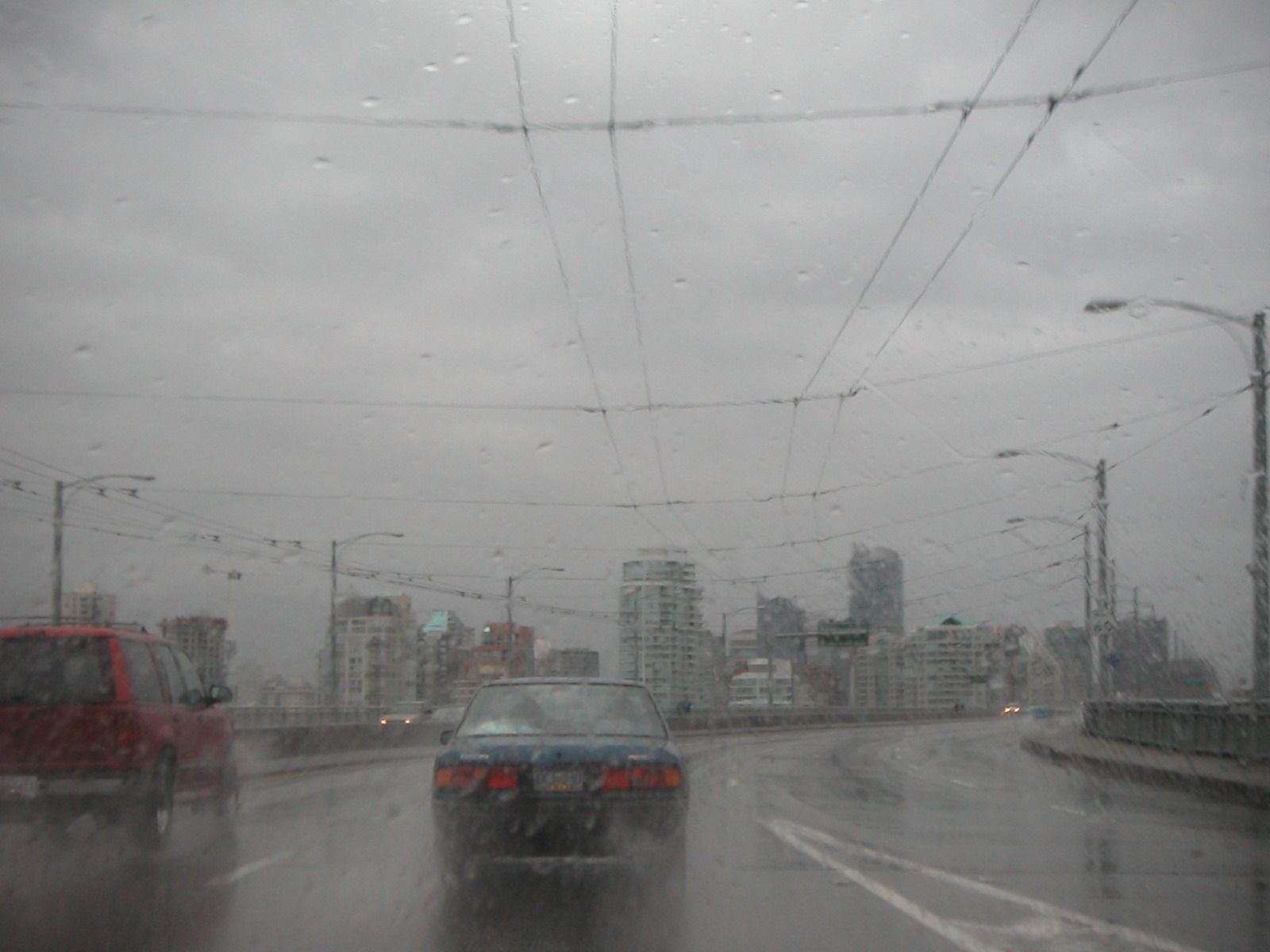
Vancouver has a reputation for rain, and it has earned it. But the rain here is not usually dramatic. Most of the time it is a soft, steady drizzle under low grey cloud, the kind that keeps the forests green and the moss thick on every tree. Locals rarely let it stop them. With the right clothes, you will not either.
The shape of the year
The city has two main seasons for weather: wet and dry. The wet season runs roughly from October to March. In those months, grey skies and rain are the normal state of things, with spells of several rainy days in a row. Autumn often brings the heaviest storms, when moist air from the Pacific stalls over the coast. Winter is cool and damp rather than cold, with temperatures in the city usually staying above freezing.
The dry season runs through the summer. July and August are usually sunny and settled, with long evenings and comfortable temperatures. Late spring and early autumn are in-between times: showery, changeable, and often lovely between the clouds. September in particular can feel like an extension of summer.
Snow, wind and the mountains
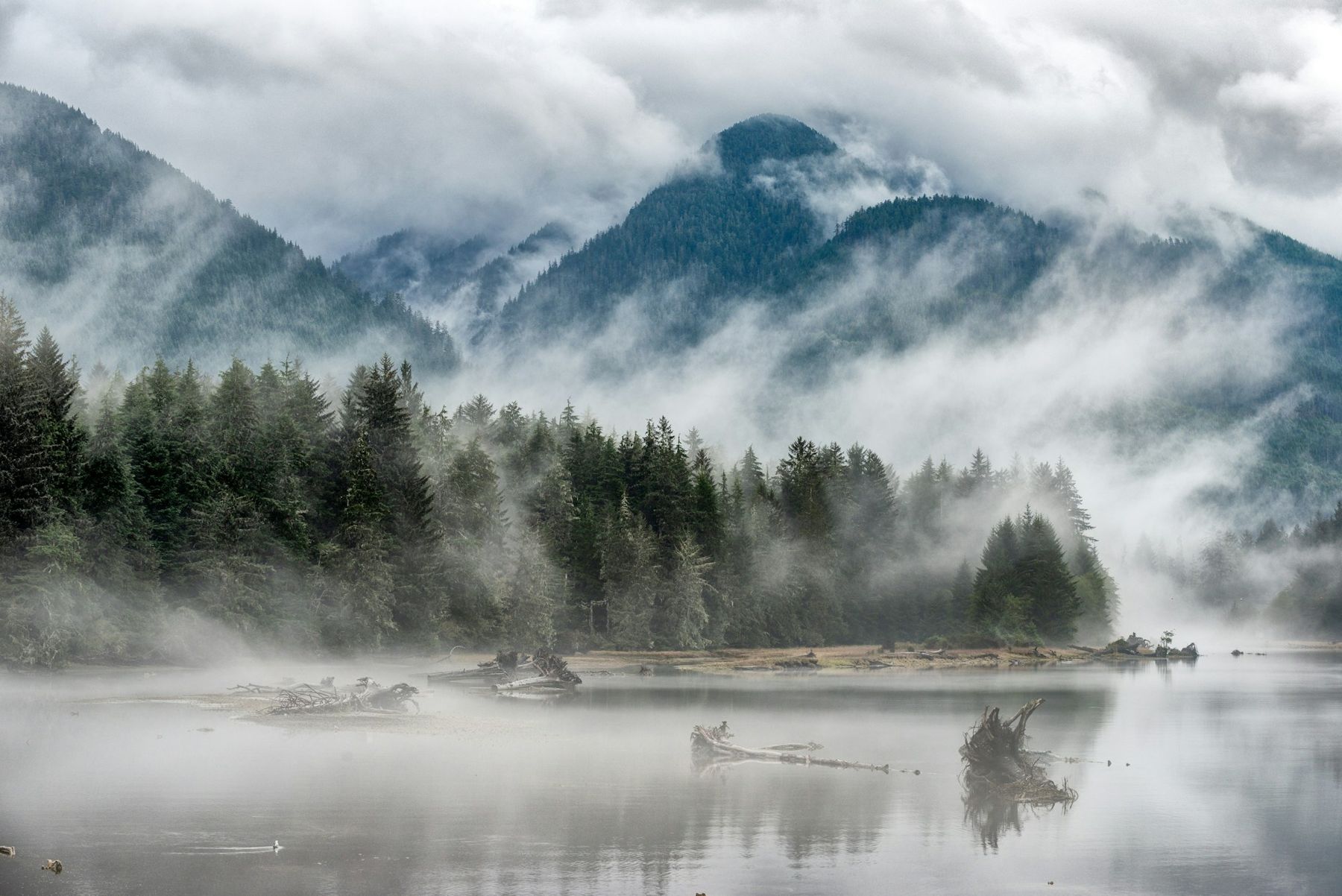
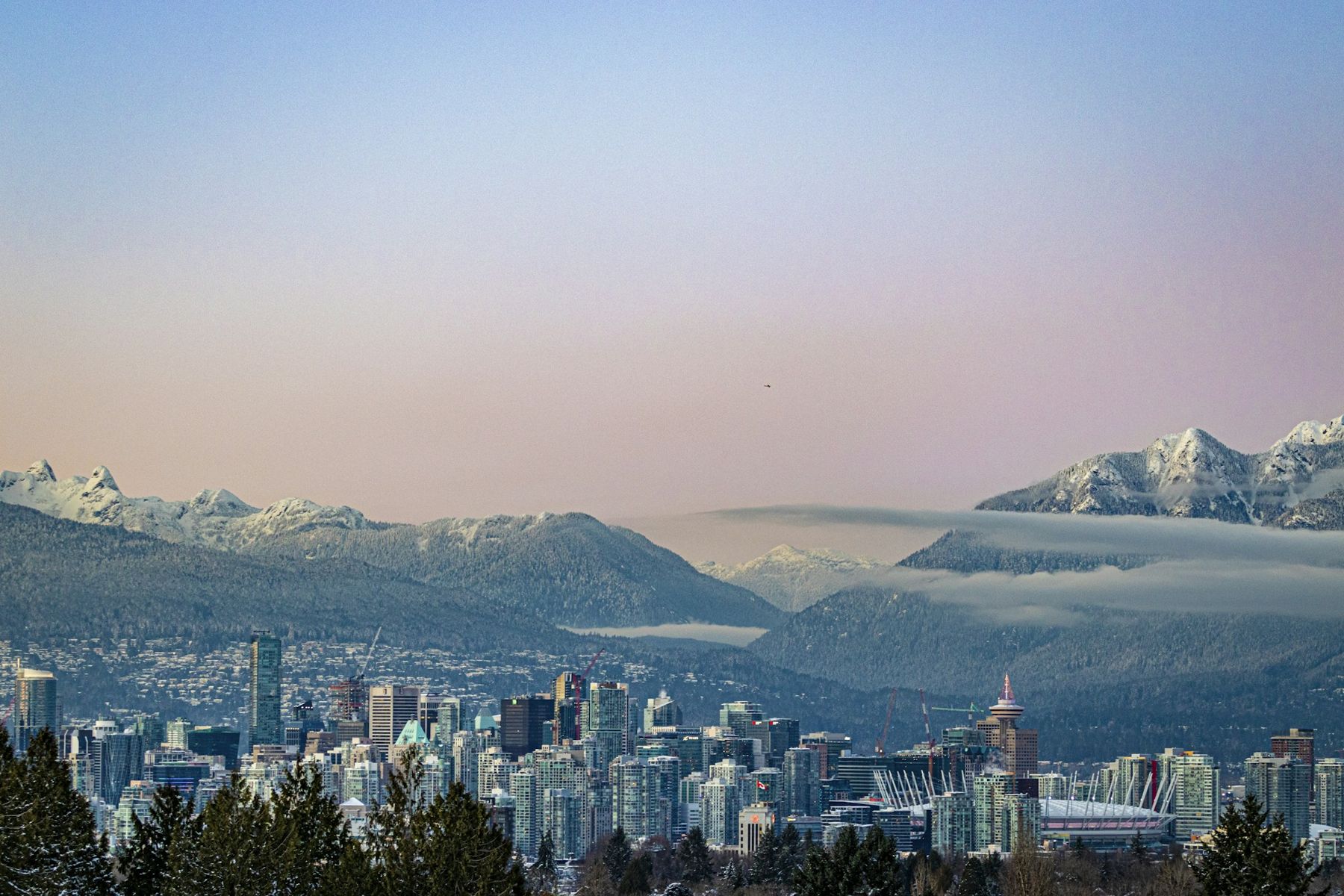
Snow falls in the city only now and then, often for just a few days in a winter, and it can disrupt traffic and transit when it does. The mountains above the North Shore are a different story: they collect heavy snow through the winter, which is why there is skiing within sight of downtown. Rain in the city often means snow higher up.
Wind can matter more than rain. Gusty days off the water turn umbrellas inside out on the seawall and the bridges, and storms can close trails and parks. Check forecasts and local alerts in the stormy months, especially before a mountain or coastal day trip.
What to wear
The local uniform is simple: a hooded waterproof jacket over layers. Many residents skip the umbrella altogether, because the hood stays put in wind and leaves your hands free. Here is what works:
- A hooded waterproof shell. Breathable fabric makes a big difference on walks.
- Layers underneath. A light fleece or wool layer you can take off indoors, where heating runs warm.
- Waterproof shoes. Wet feet ruin a day faster than anything. Look for good grip, since wet leaves, moss and tiles get slippery.
- Quick-drying trousers. Heavy denim stays wet for hours.
- A compact umbrella for city streets on calm days, if you like one.
- A small dry bag or zip bag for your phone and documents.
For hikes, add a warm hat and gloves even in spring and autumn, plus a spare dry layer. Mountain weather is colder and wetter than the city.
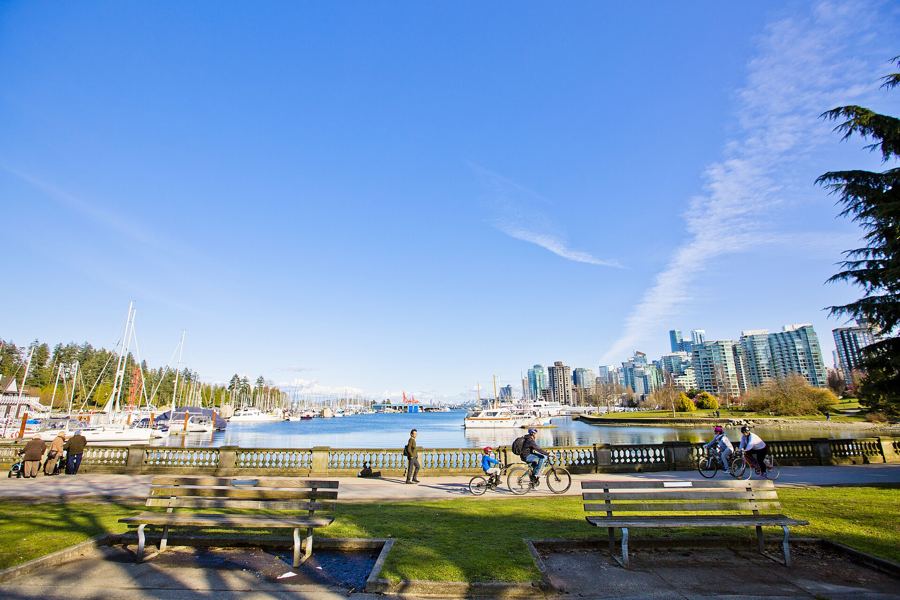 Same afternoon?Stanley Park, wet or dry
Making the most of a wet day
A rainy day is a good excuse to see the city's indoor side. The Museum of Anthropology at the university can fill a whole morning. The aquarium in Stanley Park is made for a wet afternoon. The public market on Granville Island is busy and warm whatever the sky is doing, and the ferries across False Creek keep the trip fun.
Plan around transit. SkyTrain stations are covered, trains come often, and you can link several indoor stops across the city with only short walks outside. The SkyTrain and buses guide has the basics of fares and tapping.
Some places are actually better in the rain. Forest trails feel deeper and quieter, waterfalls run hard, and the old streets of Gastown and Chinatown shine under the street lamps. Light rain also keeps the crowds down at the busy spots.
The dry summer
When the dry season arrives, the city changes. Beaches fill, patios open, and mountain trails become accessible once the snow clears. Pack sunscreen, a hat and a water bottle, plus a light jacket for evenings, which cool down quickly by the sea.
Some summers bring hot spells and, in certain years, haze or smoke from wildfires elsewhere in the province.
Short days and long days
Daylight shapes a visit as much as rain does. In the depths of winter the days are short, and grey cloud can make late afternoon feel like evening. Plan outdoor walks for the middle of the day, carry a small light if you are hiking, and save museums, markets and meals for the dark hours. Trails in the forest get dim early, so turn back with time to spare.
In summer the opposite is true. Evenings stay light until late, which leaves room for a full day out and a long sunset on the beach afterwards. Spring and autumn sit in between, with changeable skies that can switch from shower to sunshine within an hour. On those days, the best plan is a loose one: keep an indoor option close by, and head out the moment the cloud breaks.
Whatever the season, check the forecast the night before and again in the morning. Coastal weather moves quickly, and the mountains often see a different day from the city below them.
A simple packing list
- Hooded waterproof jacket.
- Waterproof walking shoes with grip.
- Two or three warm layers you can mix.
- Quick-drying trousers.
- Hat and gloves for the wet months; sun hat for summer.
- Small dry bag for electronics.
- A reusable water bottle.
Pack that, and the forecast becomes a planning tool rather than a reason to stay in.
Top picture by Tom Harpel from Seattle, Washington, United States