Why Richmond
Richmond sits on Lulu Island in the delta of the Fraser River, just south of Vancouver and next to the airport. Since the 1980s and 1990s it has become home to large communities from Hong Kong, mainland China and Taiwan, and more than half of its residents now have Chinese heritage. The result is a food scene that draws people from all over the region: Cantonese dim sum, northern Chinese dumplings and noodles, Shanghainese soup dumplings, Sichuan, Taiwanese, Hong Kong-style cafes and much more, often within a few blocks of each other.
The heart of it runs along No. 3 Road and the streets around Aberdeen and Lansdowne stations, where large Asian shopping centres hold food courts, bakeries and supermarkets under one roof. On a wet day you can eat your way through the afternoon and barely touch the rain.
The island itself has a much longer story. It lies within the traditional territory of the Musqueam people, who fished the Fraser's arms for thousands of years. Later came farms, canneries and dykes to hold back the river, and parts of Richmond are still farmland, with berry fields and market gardens a short drive from the towers along No. 3 Road.
Getting there on the Canada Line
The Canada Line runs from Waterfront station downtown south through Vancouver and over the Fraser River into Richmond, where it splits: one branch goes to the airport, the other to Richmond city centre. The Richmond branch stops at Bridgeport, Aberdeen, Lansdowne and Richmond-Brighouse, and the ride from downtown takes roughly twenty to twenty-five minutes.
From Metrotown or anywhere on the Expo Line, change at Waterfront or take a bus across to a Canada Line station. The guide to SkyTrain and buses explains how transfers and fare zones work in general terms. The line runs above ground through most of Richmond, so you get a good look at the flat delta landscape and the mountains to the north on a clear day.
A dumpling primer
Dumplings come in more forms than most visitors expect, and Richmond is a good place to try several in one day.
- Xiaolongbao: Shanghai-style soup dumplings with thin, pleated wrappers and hot broth inside. Lift one gently onto a spoon, bite a small hole, let the steam out and sip the soup before eating the rest.
- Shengjianbao: pan-fried pork buns with crisp bottoms and soft tops, also full of hot juices.
- Jiaozi: northern Chinese boiled or pan-fried dumplings, often sold by the dozen with fillings such as pork and chive or lamb.
- Har gow and siu mai: Cantonese dim sum staples, shrimp in a translucent wrapper and open-topped pork and shrimp.
- Wontons: delicate dumplings in broth, usually with thin egg noodles.
Dim sum is a morning and lunchtime meal. Weekend late mornings are the busiest time, and waits for a table can be long, so go early or on a weekday. Many places take cards, but carrying some cash is still useful, especially at smaller counters.
 Same afternoon?Steveston, where the Fraser meets the sea
Eating well on a wet day
A good rainy-day plan is a slow loop rather than one big meal. Share a few plates at each stop and keep moving. The food courts inside the large shopping centres near Aberdeen station are the most weatherproof option: dozens of counters, shared seating and quick service, all reached by covered walkways from the station area.
Look for places where a lot of people are eating rather than places with the flashiest signs. Menus often have photos, which helps if you do not read Chinese. Asian bakeries are worth a stop for egg tarts, pineapple buns and other soft, sweet breads, and supermarkets are fun to browse for snacks, teas and sauces to take home.
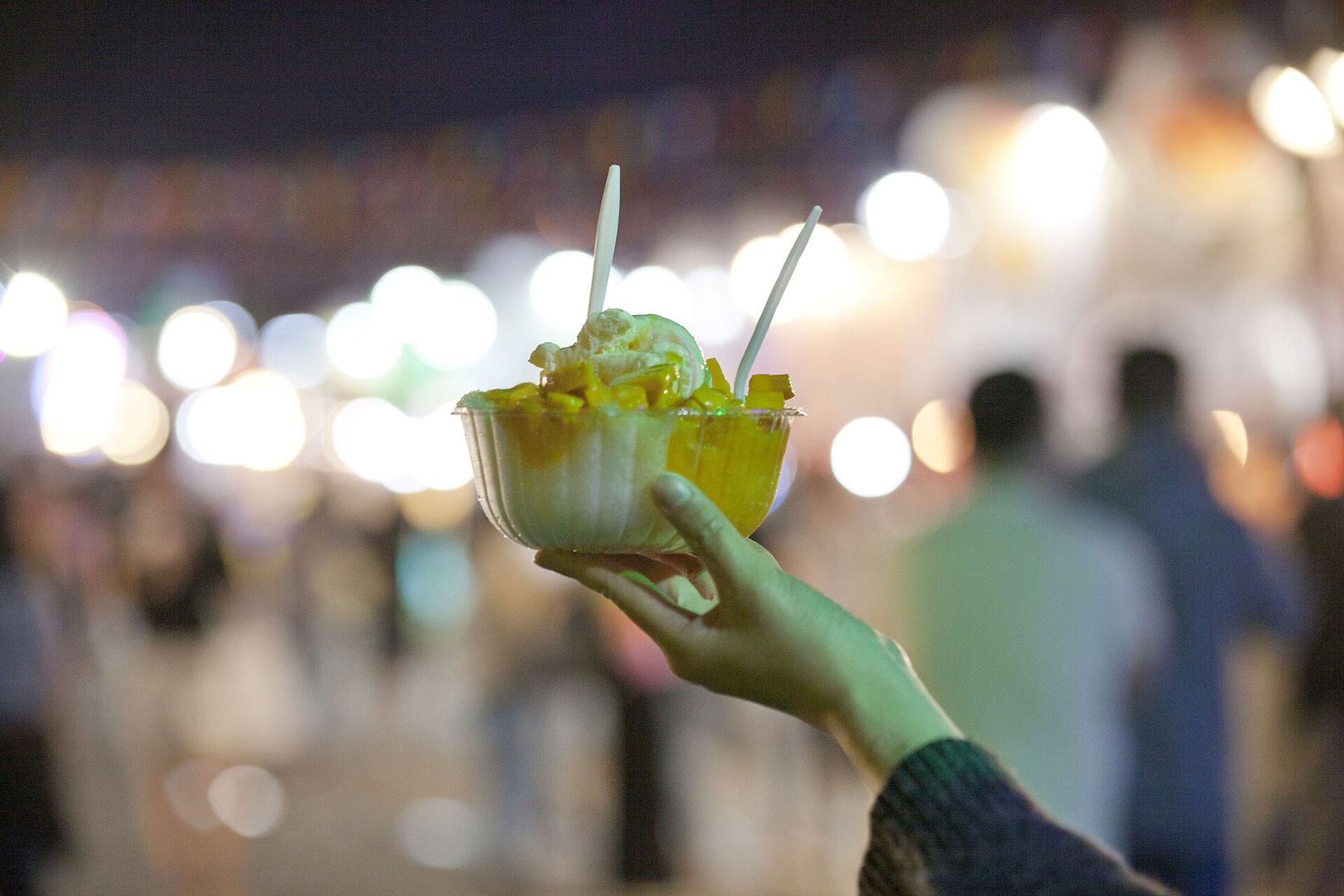
If you still have room, the bubble tea and dessert shops around the stations offer everything from milk tea to shaved ice and mango desserts. On a cold wet evening, a hot bowl of noodle soup is hard to beat.
The summer night market
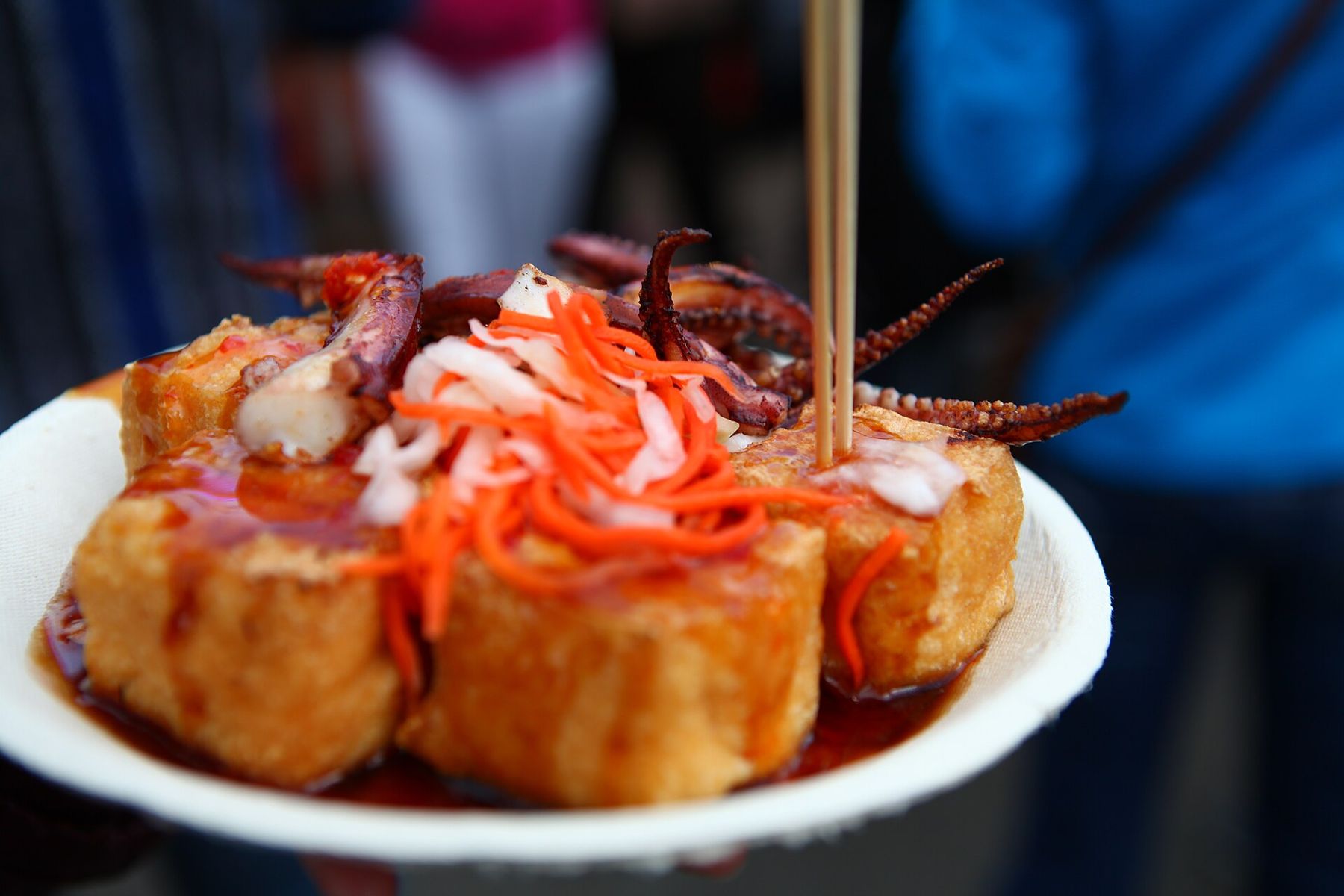
On weekend evenings from late spring to early autumn, a large night market sets up near Bridgeport station, close to the river. It is a sprawling outdoor lot of food stalls, games and small vendors, lit up after dark and crowded on warm Saturdays. Expect skewers, fried squid, stinky tofu, dumplings, noodles, fruit desserts and many dishes that change from year to year.
The market is outdoors and much of it is unsheltered, so it is a dry-weather plan. Admission is charged at the gate and food is sold per item. Arriving near opening means shorter lines; later in the evening, the aisles can become very slow.
Bring a small bag for napkins and leftovers, wear comfortable shoes, and keep track of your group in the crowds. Bridgeport station is a short walk from the gate, which makes getting home on the Canada Line straightforward.
Pairing Richmond with other stops
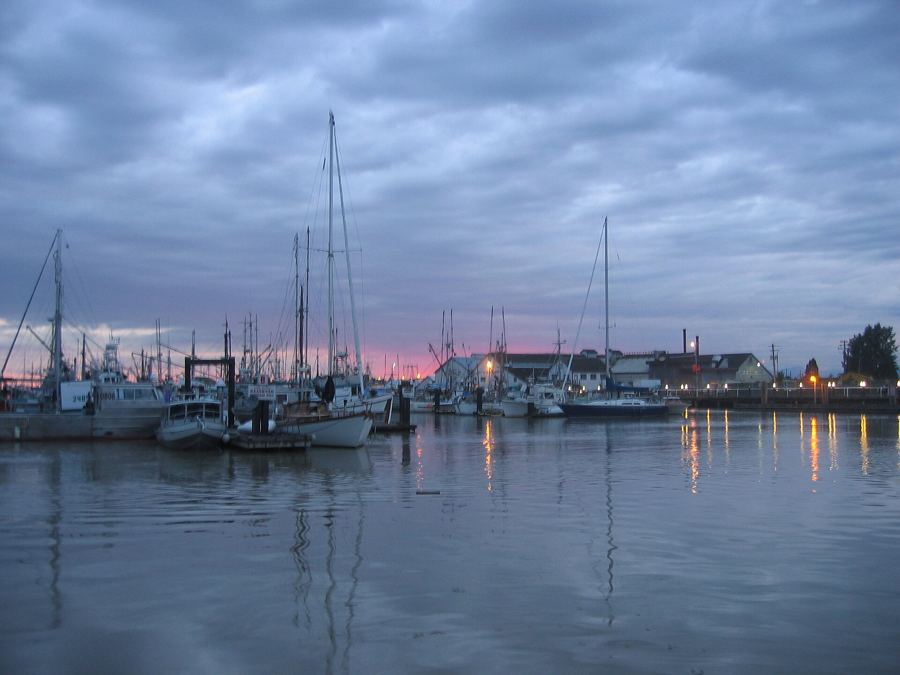
Richmond also holds the old fishing village of Steveston at the island's southwest corner, a bus ride from the Canada Line, with a boardwalk, a cannery museum and fishing boats along the river. If you prefer your dumplings closer to downtown, Vancouver's own Chinatown has a long history and plenty to eat; the guide to Gastown and Chinatown covers it. And if you are based near Metrotown, the guide to Burnaby Mountain and Deer Lake has ideas for the morning before you head south.
Top picture by GoToVan